Would you like to switch to the accessible version of this site?

Go to accessible site Close modal window

Don't need the accessible version of this site?

Hide the accessibility button Close modal window
Accessibility View Close toolbar
Warner Center Pet Clinic

818-710-8528

Open mobile navigation
  • Home
  • Contact Us!
  • News
  • New Patient Center
    • Online Forms
    • What to Expect
    • Veterinary Resources
    • Payment Options
  • Medical Services
  • Meet Our Team
  • Reproductive Services
  • Canine Semen Services
  • Resources
  • Fun Videos
  • Community Content
    • Pet Health
      • Chronic Conditions
      • Digestive and Oral Health
      • Diseases and Viruses
      • Pests and Parasites
      • Orthopedics
    • Today's Veterinarian
    • Choosing Your Pet
      • Finding Your Pet
      • Cats
      • Dogs
      • Exotics
        • Amphibians
        • Birds
        • Reptiles
          • Lizards
          • Turtles
      • Small Mammals
        • Ferrets
        • Rabbits
        • Domesticated Animals
          • Prairie Dogs
        • Pocket Pets
          • Chinchillas
          • Guinea Pigs
          • Hamsters
          • Hedgehogs
          • Rats
      • Livestock
        • Cows
        • Donkeys, Horses & Mules
        • Goats
        • Pigs
        • Poultry
        • Sheep
    • Living With Your Pet
      • Bringing Your Pet Home
      • Children and Pets
      • Providing Care
      • Travel
      • Saying Goodbye
    • Newsletter Library
      • Cats
      • Tips for Pet Owners
      • Behavior & Training
      • Fleas & Parasites
      • Keeping Pets Healthy
      • Recognizing Illness
      • Nutrition & Food
      • Pet Dangers
      • Seasonal Topics
      • Visiting the Vet
      • Equine
      • Newsletter Archive
        • Fun with Pets
        • Unbelievable Pets
    • Video Newsroom
      • Health Topics
      • Technology and Science
      • Other Interests
    • Newsletter Library
    • Client Survey
    • Pets4Kids
  • Home >
  • Articles >
  • Pet Health >
  • Pests and Parasites >
  • Parasites

Parasites

  • Created in Pet Health, Pests and Parasites

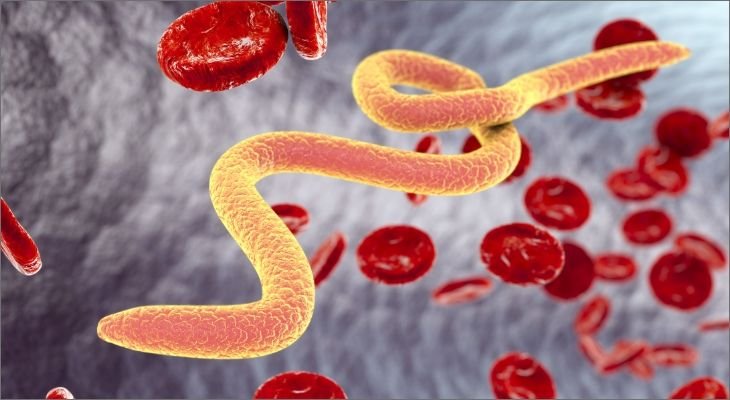
Parasite

There are many types of parasites that are found in the GI tract of cats and dogs. Worms such as roundworms, whipworms, and hookworms are very common in almost all parts of the world. These parasites shed their infective eggs in the pet's stool and contaminate the environment; some eggs can live on yards or fields for years. The eggs are ingested by the pet and the life cycle is completed when the worm grow into an adult in the intestine of a new host.

Tapeworms are another very common intestinal parasite of dogs and cats. This parasite is different though, in that it requires transmission through an intermediate host, most commonly a flea. Other intermediate hosts can be mice, rats, or rabbits. The dog or cat eats the intermediate host containing the tapeworm egg, and the tapeworm completes its life cycle to develop into an adult in the intestine of the dog or cat. The intermediate host is required, if a pet eats an adult tapeworm or tapeworm segment, it will not cause tapeworms to grow in its intestine.

Other parasites can live in the intestine that are not worms such as one-celled organisms called protozoa, which are also prevalent parasites among pets. Giardia and coccidia are protozoa that can be transmitted directly from animals to your pet, or your pet can be exposed from contaminated water. Diagnosis of these parasites requires your veterinarian or their laboratory finding either the microscopic parasite or its egg in the stool.

The only parasites that can be seen in the stool with the naked eye are roundworms and tapeworms. Roundworms are ivory colored, round (not flat) in shape, and about 4 to 6 inches long. Tapeworms are ivory colored and flat in shape. The adult tapeworm is several feet long, but usually you see only tapeworm segments that look like either sesame seeds or rice. Your pet could have either of these worms without the adult parasites ever being shed into the stool. If your pet's stool looks normal, don't think your pet can't be infected. There is no one drug that can kill all types of intestinal parasites that exist. Your veterinarian needs to know what kind of parasite(s) infection is involved, so a correct drug can be prescribed. Also, some of the monthly heartworm preventatives will also treat roundworms, hookworms, and whipworms.

If you suspect that your pet may be affected, don't hesitate to contact your veterinarian today for direction on what to do! Your veterinarian will also be able to answer all your questions and help you prevent your pets from getting parasites in the first place.

  • Pet Health
    • Chronic Conditions
    • Digestive and Oral Health
    • Diseases and Viruses
    • Pests and Parasites
    • Orthopedics
  • Today's Veterinarian
  • Choosing Your Pet
    • Finding Your Pet
    • Cats
    • Dogs
    • Exotics
      • Amphibians
      • Birds
      • Reptiles
        • Lizards
        • Turtles
    • Small Mammals
      • Ferrets
      • Rabbits
      • Domesticated Animals
        • Prairie Dogs
      • Pocket Pets
        • Chinchillas
        • Guinea Pigs
        • Hamsters
        • Hedgehogs
        • Rats
    • Livestock
      • Cows
      • Donkeys, Horses & Mules
      • Goats
      • Pigs
      • Poultry
      • Sheep
  • Living With Your Pet
    • Bringing Your Pet Home
    • Children and Pets
    • Providing Care
    • Travel
    • Saying Goodbye
  • Newsletter Library
    • Cats
    • Tips for Pet Owners
    • Behavior & Training
    • Fleas & Parasites
    • Keeping Pets Healthy
    • Recognizing Illness
    • Nutrition & Food
    • Pet Dangers
    • Seasonal Topics
    • Visiting the Vet
    • Equine
    • Newsletter Archive
      • Fun with Pets
      • Unbelievable Pets
  • Video Newsroom
    • Health Topics
    • Technology and Science
    • Other Interests
  • Newsletter Library
  • Client Survey
  • Pets4Kids
No Health Form settings found. Please configure it.

Featured Links

Click to find out more

  • Online Forms

    Our patient forms are available online so they can be completed in the convenience of your own home or office.
  • Instagram

    Follow Us on Instagram

  • Facebook

    Follow us on Facebook!

Office Hours

Our Regular Schedule

Monday:

9:00 am-4:00 pm

Tuesday:

9:00 am-4:00 pm

Wednesday:

9:00 am-4:00 pm

Thursday:

9:00 am-4:00 pm

Friday:

9:00 am-3:00 pm

Saturday:

9:00 am-12:00 pm

Sunday:

Closed

Location

Find us on the map

Testimonials

Read What Our Clients Say

  • "For every emergency or standard procedure, Warner Center is my vet of choice. Dr. Jackson and the staff have been amazing through the years. They are especially understanding of show dogs and responsible breeders. My only wish is for longer hours but they can only do so much. Thank you Warner Center! :)"
    Shauna S. / Woodland Hills, CA

Featured Articles

Read about interesting topics

  • March Newsletter: How to Keep Your Cat Safe When Outdoors

    Wondering how your cat can safely spend time outdoors? ...

    Read More
  • March Newsletter: How to Choose Safe Blankets for Pets

    Do you know how to pick a safe blanket for your pet? ...

    Read More
  • February Newsletter: How to Reduce Dental Anxiety in Pets

    Does your pet hate toothbrushing? These tips could reduce dental anxiety. ...

    Read More
  • February Newsletter: How to Safely Change Your Cat’s Food

    Buying a new food for your cat? Find out how to switch foods safely. ...

    Read More
  • January Newsletter: Signs Your Pet Needs a Wellness Exam

    Does your pet need a wellness exam? ...

    Read More
  • January Newsletter: How Your Veterinarian Can Help If Your Pet Ingests Something Toxic

    Has your pet eaten something it shouldn't have? Find out how your vet can help. ...

    Read More
  • December Newsletter: Signs Your Pet Needs a Professional Cleaning

    Do you know when your pet needs a professional cleaning? ...

    Read More
  • December Newsletter: Simple Ways to Keep Your Home Flea-Free for Your Pet’s Well-being

    Never want to see another flea again? Try these tips for a flea-free home. ...

    Read More
  • November Newsletter: The Importance of Bloodwork for Your Pet’s Health

    Wondering if your pet really needs bloodwork? Find out the benefits of blood tests for your furry friend. ...

    Read More
  • November Newsletter: Turkey Day Tips for Pet Owners

    Don't forget about your pet when making Turkey Day preparations. ...

    Read More

Newsletter Signup

Sign up for more articles

Error!

    Connect With Us

    • Copyright © 2026 MH Sub I, LLC dba iMatrix.
    • Admin Log In
    • Site Map